
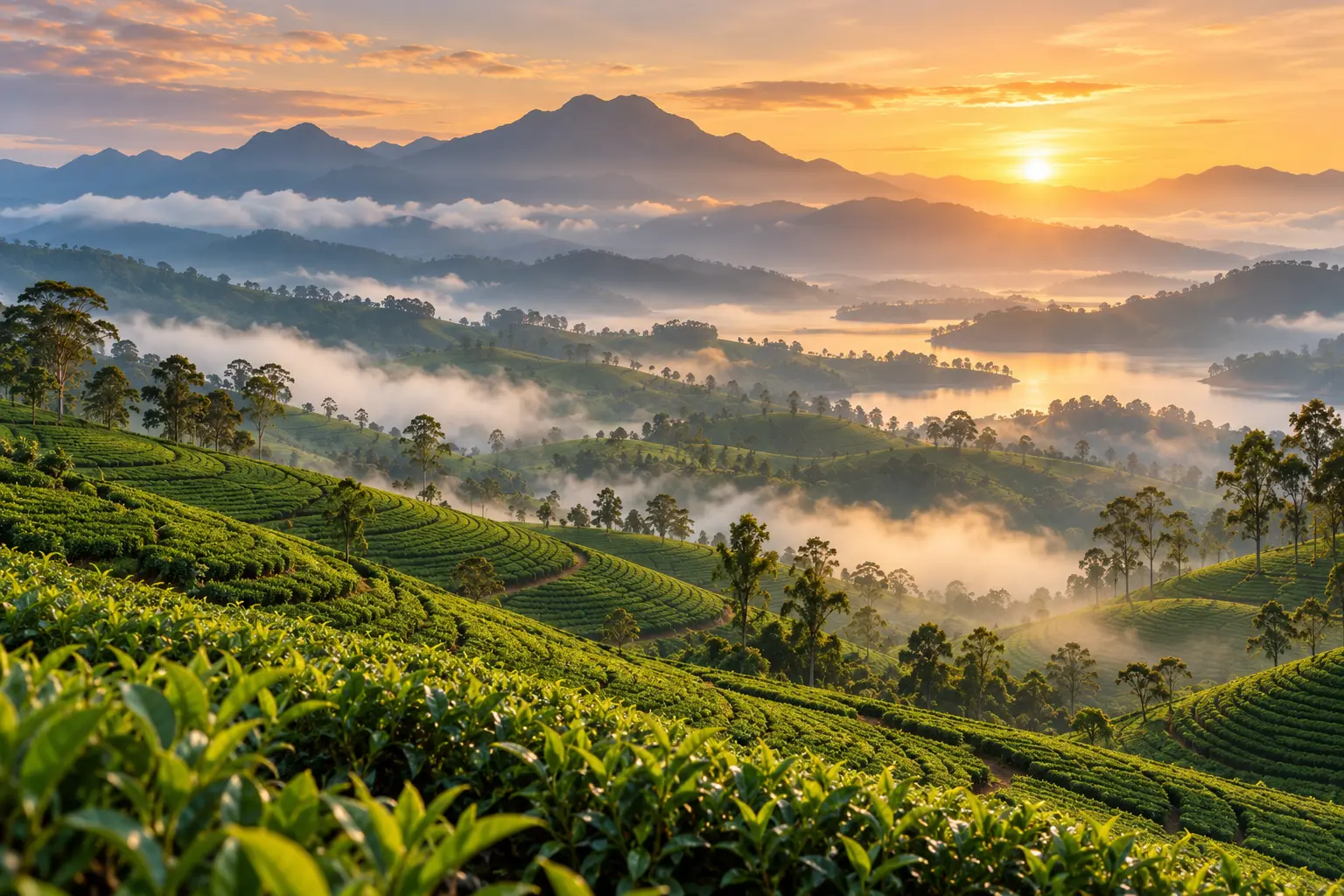
For matcha in Sri Lanka, check the ingredient list, where the tea was grown and the seller’s current availability. Sri Lankan tea heritage alone does not verify an individual product.
Start with origin
Sri Lanka’s tea-growing heritage provides context. The cultivation origin of a specific powder needs its own evidence. A brand name, packing address or scenic picture is not a traceability record.
Find your next step
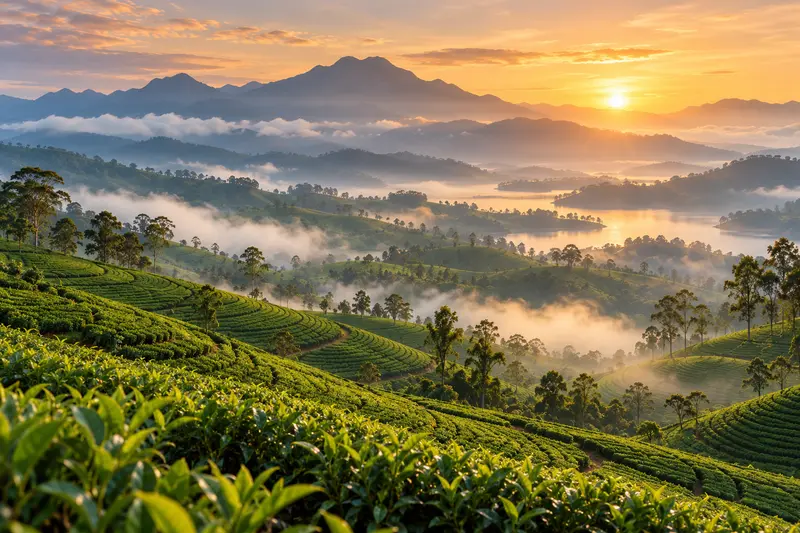
Understand Sri Lankan origin
Growing, processing and packing are separate facts.
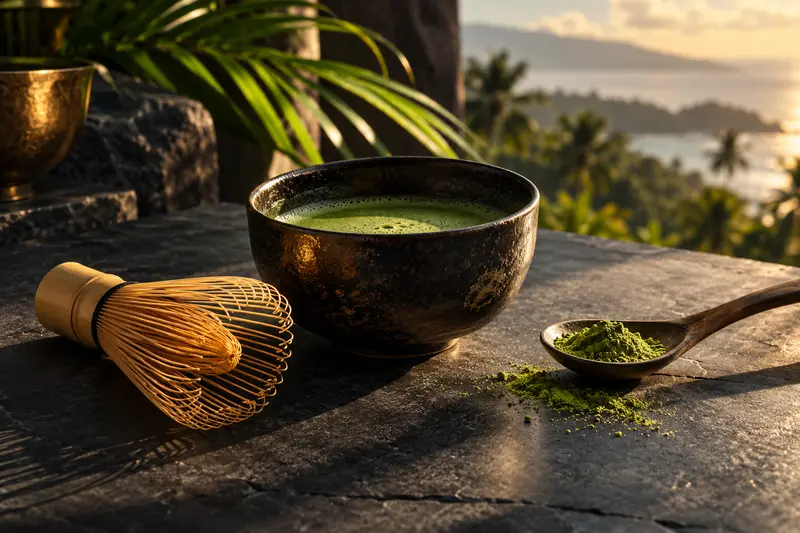
Where to find matcha
Independent seller pages and a Colombo menu, with direct sources.
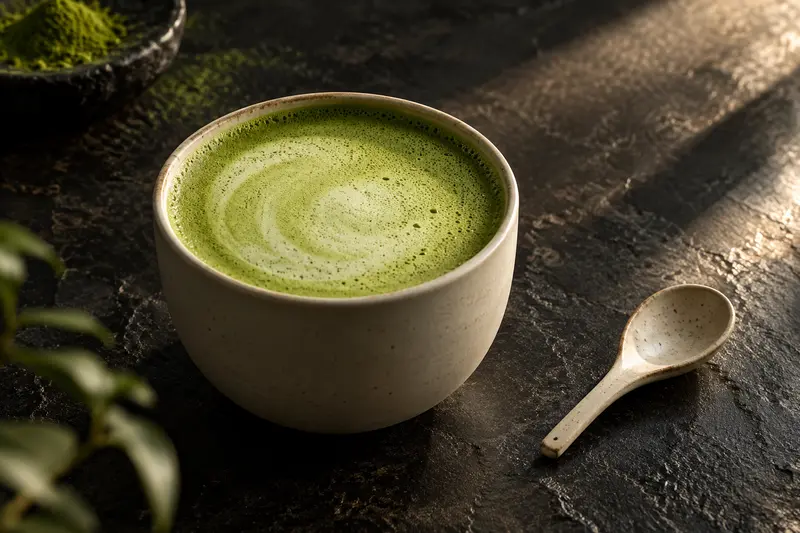
Make your first cup
A measured starting method and practical troubleshooting.
Explore MATCHA
Fourteen blend expressions across three formats.
A practical starting point for matcha in Sri Lanka
Begin with the question you need answered. If you want to understand the ingredient, use the academy. If you want to choose a product, compare ingredient identity, cultivation origin and intended preparation. If you want a place to try a drink, use an official menu or current seller page and confirm availability directly.
These are related questions, but one page should not pretend to answer all of them with a single slogan. Our Sri Lanka hub connects the brand range, origin education, preparation guides and independent sources so you can take the next useful step.
Compare a product with your intended routine
A home latte, a plain tea preparation and a hospitality menu each asks something different of a powder. Record how you intend to use it before comparing packs. Pack weight, opening frequency and the ability to store the product properly are useful considerations alongside flavour.
For a drink comparison, use the actual product instructions and the same milk or water where appropriate. For a purchasing comparison, ask where the tea leaf grew and which documents support the seller’s description. Distinguish cultivation from packing, and distinguish a plain tea from a blend with botanical, fruit or nut ingredients.
Explore the island’s tea context responsibly
Sri Lanka’s established tea industry gives the brand a geographic and cultural setting. The Tea Board’s recognised regions are a useful starting point for understanding that setting. They are not a directory of verified MATCHA cultivation sources.
Our editorial landscapes illustrate the island’s tea setting. Product-level origin information needs a connection to actual production records. As MATCHA prepares the collection for production, those details should be published clearly rather than inferred from a scenic image.
A better question than simply asking for the best matcha
Ask which product suits the drink you want to make, what its ingredient list says and what evidence supports its origin and quality description. That creates a comparison that can be answered. A universal ranking without a method, serving or product specification is less useful.
For a local venue, ask whether the drink contains plain tea, a blend, syrup or another prepared ingredient. For a seller, ask about the actual pack and current availability. The independent pages linked in our buying guide are research starting points, not a claim that those businesses stock MATCHA.
Sources & further reading
Source review: 12 October 2026. External publishers are independent of MATCHA. Sources support the specific editorial statements cited.